What is Perineal Massage?
There is a lot of buzz around perineal massage these days. However, what is it and what does the research say on the effectiveness of it? Perineal massage is a technique employed in pelvic floor therapy to massage the perineum and the surrounding tissues. The perineum is the area that separates the vaginal opening from the anus. This area on different women can be different in length, tension and integrity. A tight perineum during childbirth can create higher grade tearing and is also what many women exclaim to be the “ring of fire”. Tight pelvic floor muscles when stretched past their capacity do indeed feel like fire.
When and How to Perform Perineal Massage?
The most major research states that beginning perineal massage at 34 weeks prior to delivery is a great timeline to getting this tissue stretched and prepared for labor. However, this also somewhat depends on when you plan to deliver (induction, high risk, multiple pregnancies, etc) so sometimes we will recommend patients to begin earlier than this at 30-32 weeks.
Perineal massage is performed by the pregnant mama herself with the help of a tool such as her finger, a perineal massage wand, or the support of her partner. At 34 weeks+ many mamas are not able to reach their perineal tissue when laying on pillows on their back. thus, laying on your side with a pillow supporting your top knee can make it easier. The patient then reaches from behind to get to the perineal tissue in order to massage (see caption below for massage details). Perineal massage can also be performed solo in standing, following a shower, with one leg up on the bath ledge (please ensure safety). See photos below:
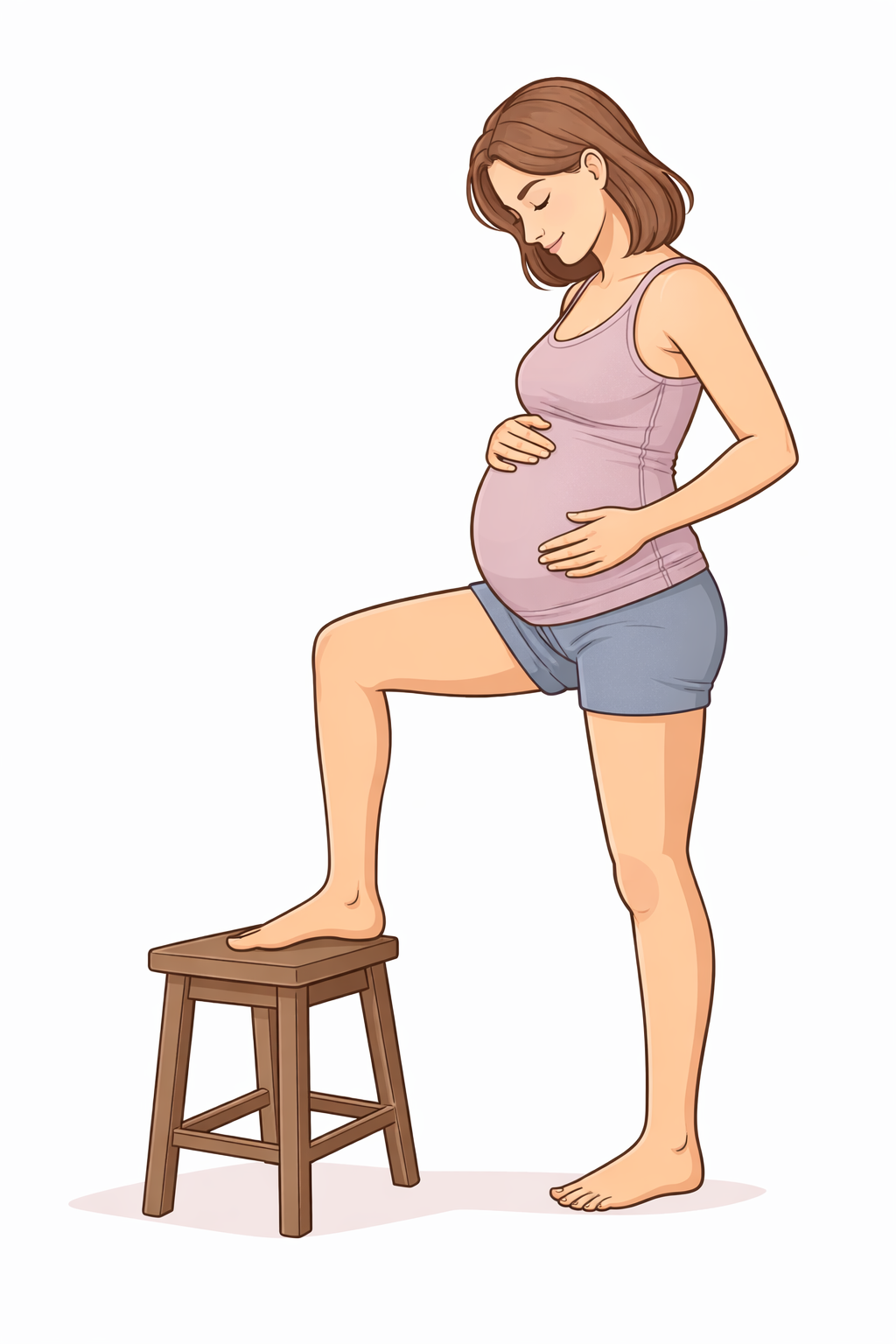
Perineal Massage Position, Standing
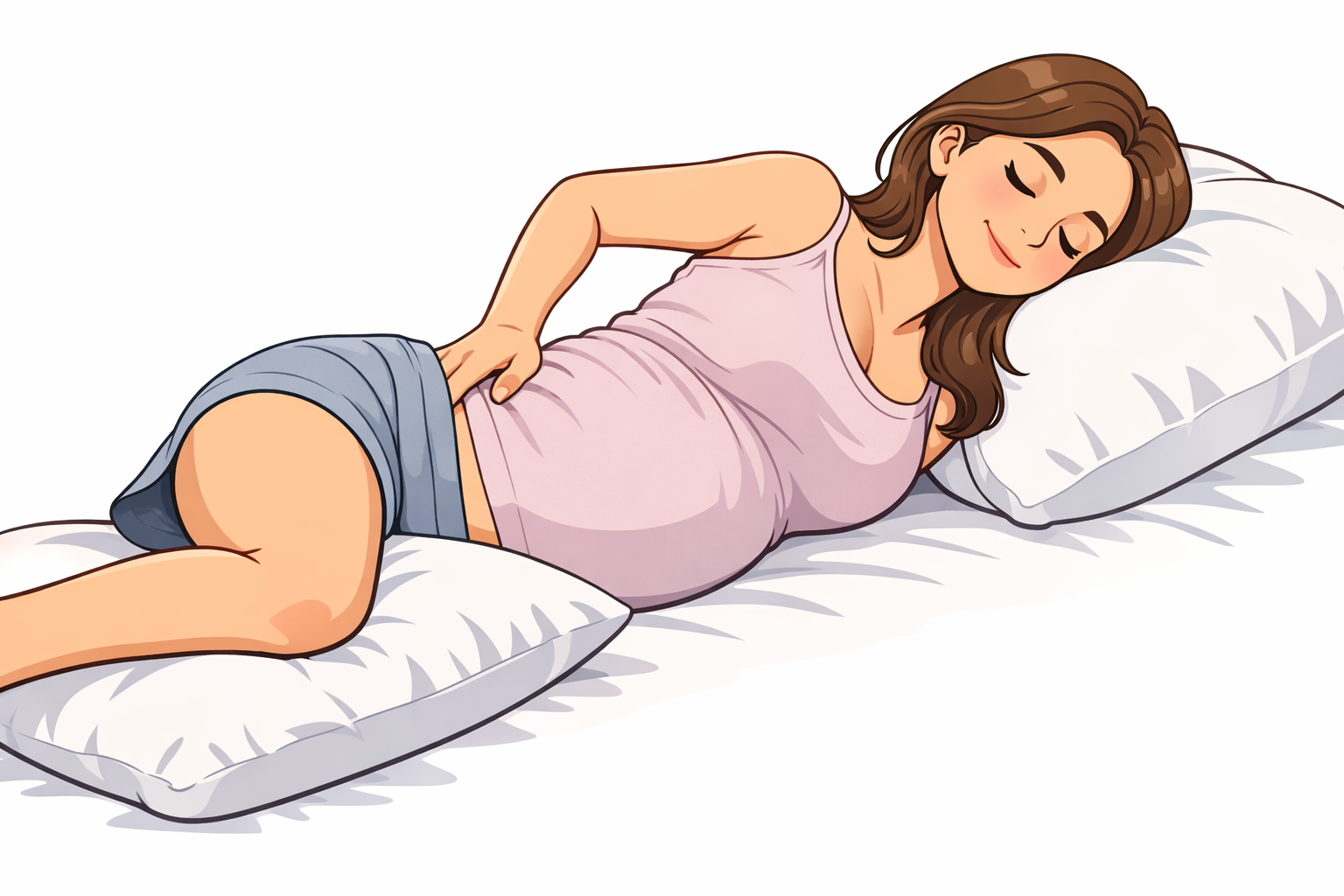
Perineal Massage Position, side lying
Once in position, perineal massage is performed by the mama taking either her index finger or thumbs and massaging the area between the vaginal opening and anus. She can apply pressure on the area towards the anus or rub the tissue with gentle sweeping motions down and over to each side. A good lubrication oil and clean hands is always required, of course! See diagram below:
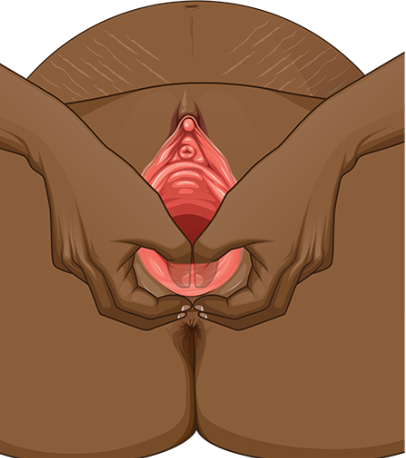
Research shows that perineal massage does not decrease the risk of low grade tearing. However, it most definitely decreases the risk of higher grade, complicated grade 3,4,5 tearing. These are the degrees of tearing that typically create the most dysfunction postpartum as they impede on the anus. The symptoms of such dysfunction include fecal incontinence, gas incontinence or not able to hold in gas, pain with intercourse, urinary leakage and so much more. Pelvic floor therapy with Rooted can be extremely beneficial in order to decrease the risk of this tearing during pregnancy by use of proper perineal massage techniques. Our team can also help support mamas postpartum who may already have the symptoms of high grade tearing and would like to decrease Ian, symptoms of incotinence and improve the look and feel of their scar tissue.
